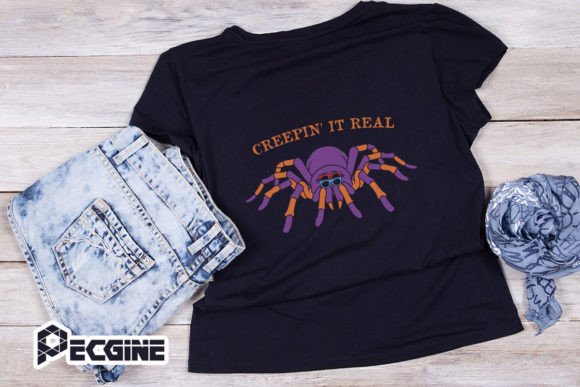
Creepin It Real
A Design for the Practical Embroiderer
As a designer who’s stitched through countless projects, I’m always on the lookout for embroidery files that balance style with usability. Creepin It Real caught my eye not just for its aesthetic, but for how it fits into the real-world demands of a craft business or small shop. Let’s break down what makes this design stand out—and where it might need careful consideration.
The First Impression
At first glance, Creepin It Real exudes a casual, laid-back vibe. The layout is clean and uncluttered, with a focus on bold shapes and minimal detail. It feels like something you’d see on a vintage tee or a custom patch—simple enough to be versatile, yet distinct enough to make an impression. The theme leans toward streetwear and casual wear, which opens up a range of applications from tote bags to baby clothes.
The transparent background adds flexibility, allowing the design to adapt to various fabric types and color schemes. This is a key feature for designers looking to create personalized gifts or custom apparel without being limited by the base fabric.
Real-Life Use Cases
When thinking about how Creepin It Real would perform in actual projects, I immediately picture it on a sweatshirt or a tote bag. The design’s simplicity means it doesn’t overwhelm the fabric, making it ideal for larger surfaces. On a cap or apron, it maintains its presence without competing with the product’s function.
For holiday or gift items, the design’s recognizable style could work well as a seasonal piece—think Christmas or birthday embroidery. Its neutral tone also makes it a good fit for wedding gifts or boutique branding, especially when paired with other designs in a cohesive collection.
However, I’d caution against using it on highly textured fabrics or thin materials. The lack of intricate details means it may not hold up as well on stretchy or delicate fabrics, where stitch density and thread visibility can be affected.
Design Performance in Practice
Testing a design like Creepin It Real on scrap fabric is essential before committing to a client project. The file format options—SVG, PNG, DXF, and EPS—offer versatility, but each has its own use case. For example, SVG files are great for digital previews, while PNGs are more suitable for direct embroidery due to their high resolution and pre-sized formatting.
Stitch density is another factor to consider. While the design doesn’t have excessive detail, areas with dense stitching may require extra stabilizer to prevent puckering. If you’re working with dark fabric, the contrast between the design and the background could become less pronounced, so testing in black and white mockups is a smart step.
Thread color choice plays a big role in the final appearance. A monochrome version could feel more refined, while bright or pastel threads might add a pop of personality. As an Etsy seller or small shop owner, experimenting with different thread colors can help you better understand how the design will look on your target market’s products.
Where to Be Careful
Not every project is created equal, and some situations demand more attention than others. Creepin It Real isn’t suited for very small hoop sizes, where the design might appear too sparse or lose its impact. Similarly, curved surfaces like caps or hats require careful placement to ensure the design remains centered and balanced.
Products that undergo frequent washing, like kitchen towels or baby clothes, should be tested thoroughly. The design’s durability depends on both the fabric and the stitch settings used. Using the right stabilizer and adjusting stitch density accordingly can make a significant difference in the final product’s longevity.
Also, if you plan to sell finished items or digital products, confirm the licensing terms. Some designs come with restrictions that limit commercial use, so it’s always best to double-check before investing in a large batch of products.
Visual Appeal and Professionalism
Creepin It Real has a strong visual appeal that works well in both personal and commercial contexts. Its clean lines and modern feel make it a great fit for handmade products, especially those aimed at younger audiences or urban-style markets. However, for more formal or luxury-oriented brands, the design might feel too casual.
Customer trust is built on consistency and quality. When using a design like this, ensure that it aligns with your brand identity. Whether you’re creating personalized gifts or boutique merchandise, the design should enhance, not overshadow, the product it’s applied to.
Handmade presentation matters too. A well-executed embroidery can elevate a simple item into something special. Creepin It Real gives you the tools to do that, but it requires attention to detail and proper technique.
Practical Designer Notes
Before using Creepin It Real on a client project, always test it on scrap fabric. Check thread color contrast, review stitch density, and confirm hoop size. Inspect small details like corners and lettering, especially if the design includes text.
Use printable mockups to visualize how the design will look on different backgrounds. Compare light and dark fabric samples to ensure visibility. Proper stabilizer application is crucial, especially for stretchy or textured fabrics.
Finally, consider whether the design works for both personal and commercial projects. If you plan to sell finished items or digital products, make sure you have the appropriate license. Creepin It Real is a solid choice for many applications, but understanding its limitations ensures you’ll deliver a professional, polished result.