Haunted Henhouse
A Spooky Embroidery Design for the Season of Shadows
As a designer who’s stitched countless projects from custom apparel to holiday gifts, I approach each embroidery file with the same level of scrutiny I’d give a client’s project. When I first opened Haunted Henhouse, I was immediately drawn to its eerie charm and intricate detail. This design isn’t just a pattern—it’s a mood, a story waiting to be stitched into fabric.
The First Impression: A Hauntingly Detailed Scene
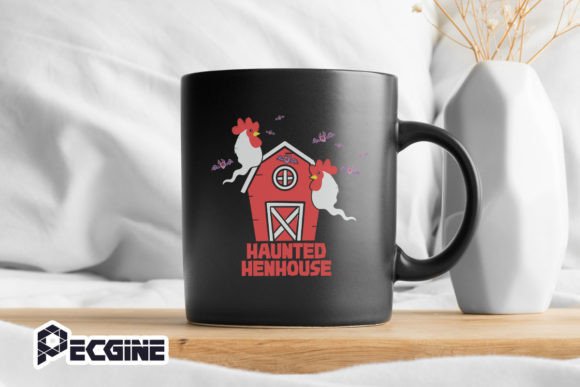
Haunted Henhouse is a classic Halloween theme, featuring a haunted chicken coop filled with spooky elements like bats, cobwebs, and ghostly figures. The layout is well-organized, with clear separation between foreground and background elements. The use of negative space allows the design to breathe, making it visually balanced even in its most detailed sections.
What stands out is the attention to texture and shading. The feathers of the chickens are rendered with a mix of satin stitch and fill stitch, giving them a soft, lifelike quality. The cobwebs are delicate yet distinct, using running stitch and fine thread work to create an authentic look. These details make Haunted Henhouse feel more like a hand-painted scene than a simple embroidery design.
Real-Life Use Cases: From Tote Bags to Holiday Gifts
When considering where Haunted Henhouse would fit best, I think of practical applications like custom tote bags, embroidered patches, and holiday-themed apparel. A tote bag adorned with this design would make a great seasonal gift, while a patch could add a unique touch to a handmade apron or cap.
For sweatshirt embroidery, Haunted Henhouse offers a striking visual that can elevate a casual piece into something memorable. However, it’s important to consider the fabric type. Dark fabrics may require high-contrast thread colors to ensure visibility, while lighter fabrics can showcase the design’s subtle textures more effectively.
On the other hand, using Haunted Henhouse on baby clothing or nursery decor requires careful consideration. The design’s intricate details might not translate well to thin or stretchy fabrics, which can distort the stitching. In such cases, testing on scrap fabric is essential before committing to a final product.
Design Performance in Real Projects
One of the key factors in evaluating an embroidery design is how it performs in different contexts. Haunted Henhouse holds up well in most scenarios, but there are a few areas where extra care is needed. For example, the dense stitch areas in the cobwebs and ghostly figures may require a larger hoop size to prevent distortion. Using a proper stabilizer is also crucial to maintain the design’s integrity during stitching.
Another consideration is the thread color contrast. While the design comes with transparent backgrounds, the choice of thread colors will greatly influence the final outcome. Testing the design in black and white mockups can help identify any potential issues with visibility or clarity.
Additionally, the design’s stitch density and complexity mean it’s best suited for machines with sufficient power and precision. If you’re working with a smaller hoop or a less advanced machine, you may need to adjust the design or simplify certain elements to ensure successful stitching.
Where to Use Haunted Henhouse Carefully
While Haunted Henhouse is versatile, there are situations where it should be used with caution. Small hoop sizes can struggle with the design’s intricate details, leading to blurry or distorted results. Similarly, textured fabrics may cause the design to shift or lose definition during stitching.
Products that require frequent washing, such as tea towels or kitchen linens, may also benefit from additional stabilizing techniques. The design’s delicate elements, like the cobwebs and ghostly figures, could wear down over time if not properly cared for.
For caps or curved surfaces, the design’s corners and edges may not align perfectly, requiring some manual adjustment during the stitching process. It’s always wise to inspect these areas closely before proceeding with a full project.
Visual Appeal and Customer Trust
From a craft business perspective, Haunted Henhouse has the potential to enhance both the visual appeal and customer trust of your products. Its detailed nature makes it ideal for personalized gifts and custom apparel, especially for those looking to stand out in a competitive market.
However, the design’s complexity also means it requires a higher level of skill and preparation. As an Etsy seller or small shop owner, it’s important to communicate clearly with customers about the design’s requirements and limitations. Transparency about the embroidery file format, hoop size, and thread color options can help set realistic expectations and build long-term trust.
Practical Designer Notes
- Test the design on scrap fabric first to ensure it stitches cleanly and maintains its intended shape.
- Check thread color contrast against the fabric to ensure visibility and clarity.
- Review stitch density and adjust if necessary to accommodate your machine’s capabilities.
- Confirm hoop size to avoid distortion, especially with complex designs like Haunted Henhouse.
- Inspect small details like lettering and decorative accents for accuracy and legibility.
- Test the design in black and white mockups to assess how it looks on different fabric backgrounds.
- Use proper stabilizer to maintain fabric stability and prevent puckering.
- Check whether the design works for both personal and commercial projects by reviewing licensing terms.
- Confirm licensing before selling finished items or digital products to avoid legal issues.
Final Thoughts
Haunted Henhouse is a compelling design that brings a sense of mystery and creativity to any embroidery project. Whether you’re crafting a holiday gift, a custom tote bag, or a commercial embroidery asset, this design has the potential to make a strong impression. Just remember to approach it with care, test thoroughly, and ensure it aligns with your brand’s vision and values.