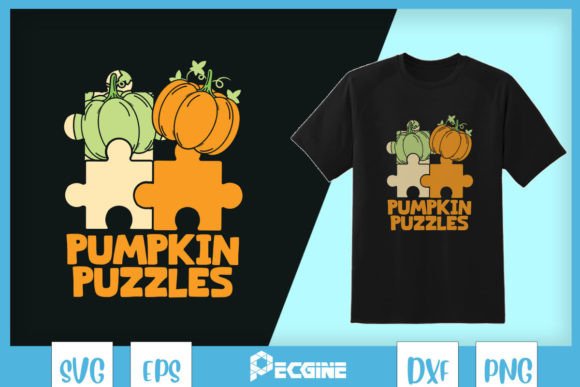
Pumpkin Puzzles
A Thoughtful Design for Handmade and Commercial Use
As a designer who’s stitched through countless projects, I approach every embroidery design with the same question: Will this work in real life? Pumpkin Puzzles is no exception. With its clean lines, subtle texture, and thematic appeal, it feels like a design that could easily find a home in a variety of craft and commercial settings. But before I dive into how it performs in practice, let me set the scene.
The First Impression
Pumpkin Puzzles immediately evokes a sense of autumnal charm and playful creativity. The design is composed of interlocking shapes that resemble puzzle pieces, each one slightly different in form and detail. It’s not overly intricate, which makes it accessible for both beginners and seasoned embroiderers. The transparent background gives it a modern, versatile feel—perfect for layering or adapting to different color schemes.
What stands out is the balance between simplicity and visual interest. The pumpkin motif is recognizable but not too literal, allowing for interpretation. This makes it ideal for use in a range of applications from personalized gifts to boutique branding.
Real-World Application: A Custom Embroidered Tote Bag
Let’s imagine a scenario where Pumpkin Puzzles is used on a custom embroidered tote bag. The design would sit nicely on the front, adding a touch of whimsy without overwhelming the overall look. The puzzle-like elements lend themselves well to being part of a larger pattern or paired with other seasonal motifs.
When considering fabric choices, Pumpkin Puzzles works best on light-colored, flat fabrics like cotton canvas or linen. Darker tones can still be used, but the contrast between the design and the background may require careful thread selection. For instance, using a bright orange or red thread on a dark fabric would ensure the design pops.
Stitching Performance and Practical Considerations
Pumpkin Puzzles is a machine embroidery design that should stitch cleanly across all file formats provided. The SVG, PNG, DXF, and EPS files are well-structured, making them compatible with most embroidery software. However, as a designer, I always recommend testing the design on scrap fabric first to assess stitch density and alignment.
The design includes a mix of fill stitches and running stitches, which means it requires attention to stabilizer use. On thin or stretchy fabrics, a tear-away stabilizer might be necessary to prevent puckering. For curved surfaces like caps or hats, the design’s shape allows for some flexibility, though it’s important to check the hoop size to ensure the entire design fits comfortably.
One thing to note is the design’s detail level. While it’s not overly complex, there are small corners and edges that may require extra care when stitching. These areas can sometimes cause issues if the machine isn’t properly calibrated or if the stabilizer isn’t applied correctly.
Design Fit and Product Value
Pumpkin Puzzles has a strong visual appeal that translates well into finished products. Whether it’s a personalized gift or a small shop product, the design adds character without being too busy. Its adaptability makes it suitable for both handmade and commercial projects, which is a big plus for Etsy sellers and craft business owners looking to expand their offerings.
From a customer perspective, the design is easy to recognize and has a friendly, approachable vibe. This makes it ideal for holiday embroidery, baby items, or even nursery decor. The ability to pair it with other designs or color schemes also enhances its versatility.
Where to Use Carefully
While Pumpkin Puzzles is a great choice for many applications, there are a few scenarios where it might need more consideration:
- Small Hoop Sizes: The design’s complexity means it might not fit well in very small hoops unless scaled down appropriately.
- Textured Fabrics: While it works on smooth surfaces, textured fabrics like denim or canvas might affect stitch clarity.
- Dark Fabric: As mentioned earlier, contrast is key here. Test thread colors carefully to ensure visibility.
- Layered Garments: If the design is being used on a layered item like a quilt or patchwork piece, make sure the embroidery is positioned correctly to avoid overlapping issues.
- Curved Surfaces: While it can work on caps or hats, the design’s edges might require additional support to maintain shape and detail.
Practical Designer Notes
Before committing to a project, I always advise designers to take a few steps to ensure success:
- Test on Scrap Fabric: Check stitch density, alignment, and overall appearance.
- Review Thread Color Contrast: Ensure the design is visible on the chosen fabric.
- Confirm Hoop Size: Make sure the design fits comfortably without stretching or distortion.
- Inspect Small Details: Pay attention to corners, lettering, and decorative accents.
- Test in Black and White Mockups: This helps identify any potential issues with contrast or clarity.
- Use Proper Stabilizer: Especially on delicate or stretchy fabrics.
- Check Licensing Terms: If you’re selling finished products or digital files, confirm the licensing rights before proceeding.
Final Thoughts
Pumpkin Puzzles is a thoughtful, adaptable design that offers a good balance between simplicity and visual appeal. It’s a great option for those looking to create personalized gifts, custom apparel, or boutique products. With the right preparation and attention to detail, it can elevate your handmade projects and give your brand a unique, recognizable identity.
Whether you're an Etsy seller, a small shop owner, or a hobbyist, Pumpkin Puzzles has the potential to become a staple in your design toolkit. Just remember to test, adjust, and always consider the end user’s experience when choosing your embroidery design.